How to Choose a Rug
Published on
August 11th, 2025

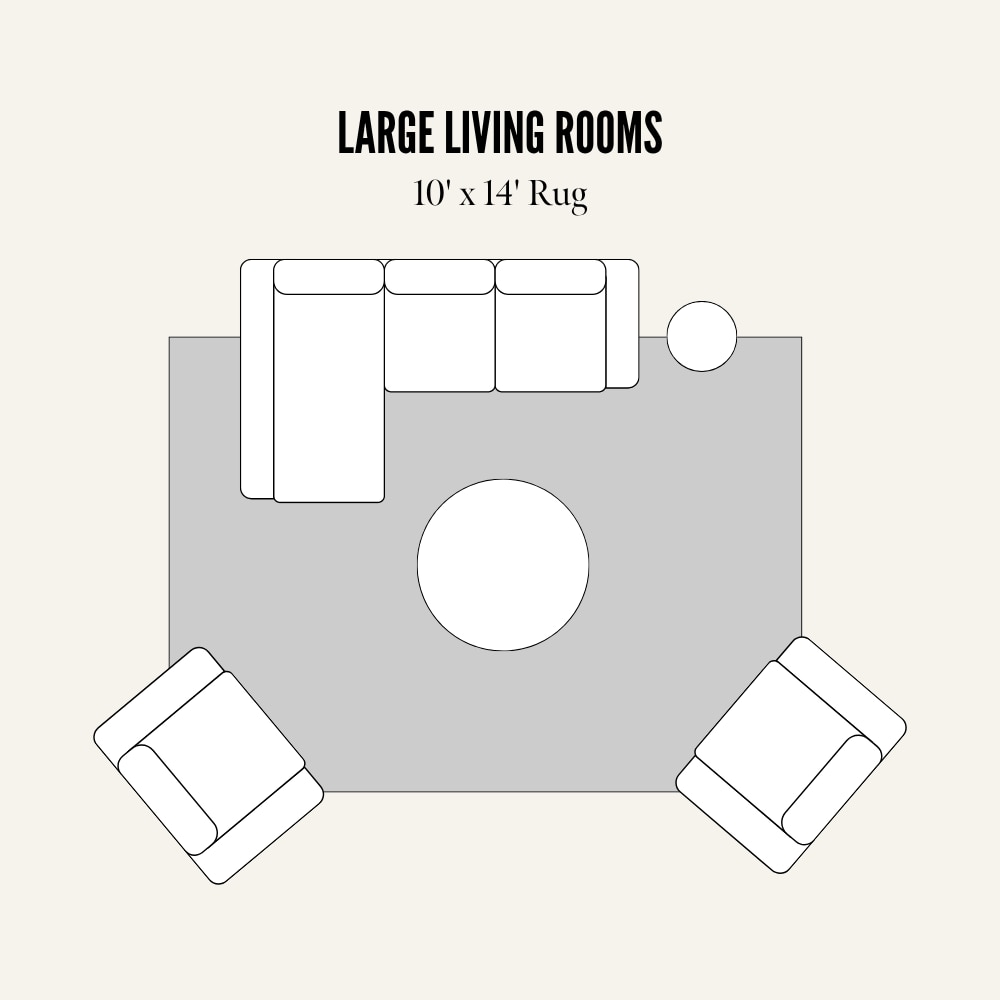
Living Room Rugs

The heart of the home, and the most important place for a rug.

Proportion
At minimum, the front legs of sofas and chairs should rest on the rug. This helps define the space and creates visual cohesion.

Color
Neutral rugs can calm a space and allow furniture to shine, while bold patterns or colors can make a statement.
Dining Room Rugs

A place where comfort doesn't just come from the meal.

Space
Your rug should extend 24-30 inches beyond the dining table to allow chairs to be pulled out.

Durability
Choose a low-pile or flatweave rug that allows chairs to be easily slid, and not trap crumbs.

Shape
Match the shape of the rug to the shape of your table. Round rugs for round table, rectangular rugs for rectangular tables.
Bedroom Rugs

Keep those feet comfortable, and frame your most important piece of bedroom furniture.
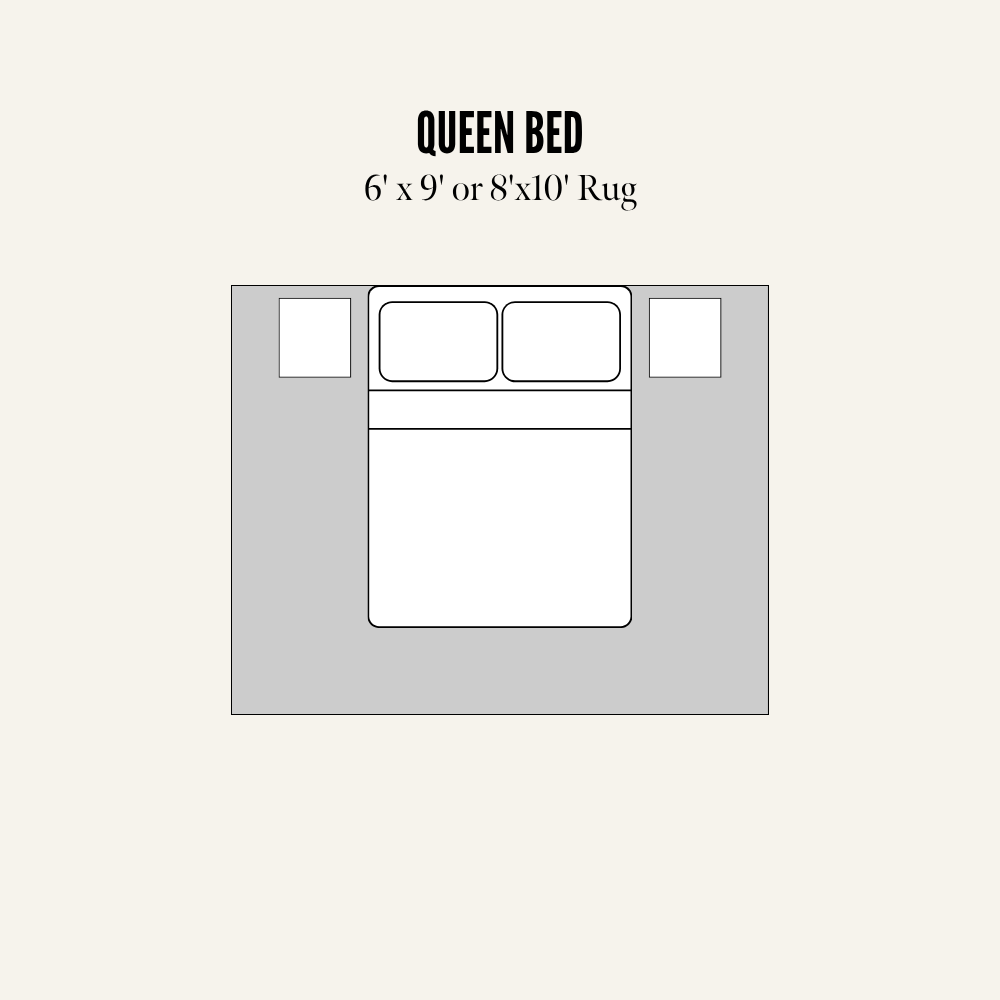
Scale
The rug should extend 18-24 inches beyond the sides and foot of the bed for a cozy feel when getting in and out.

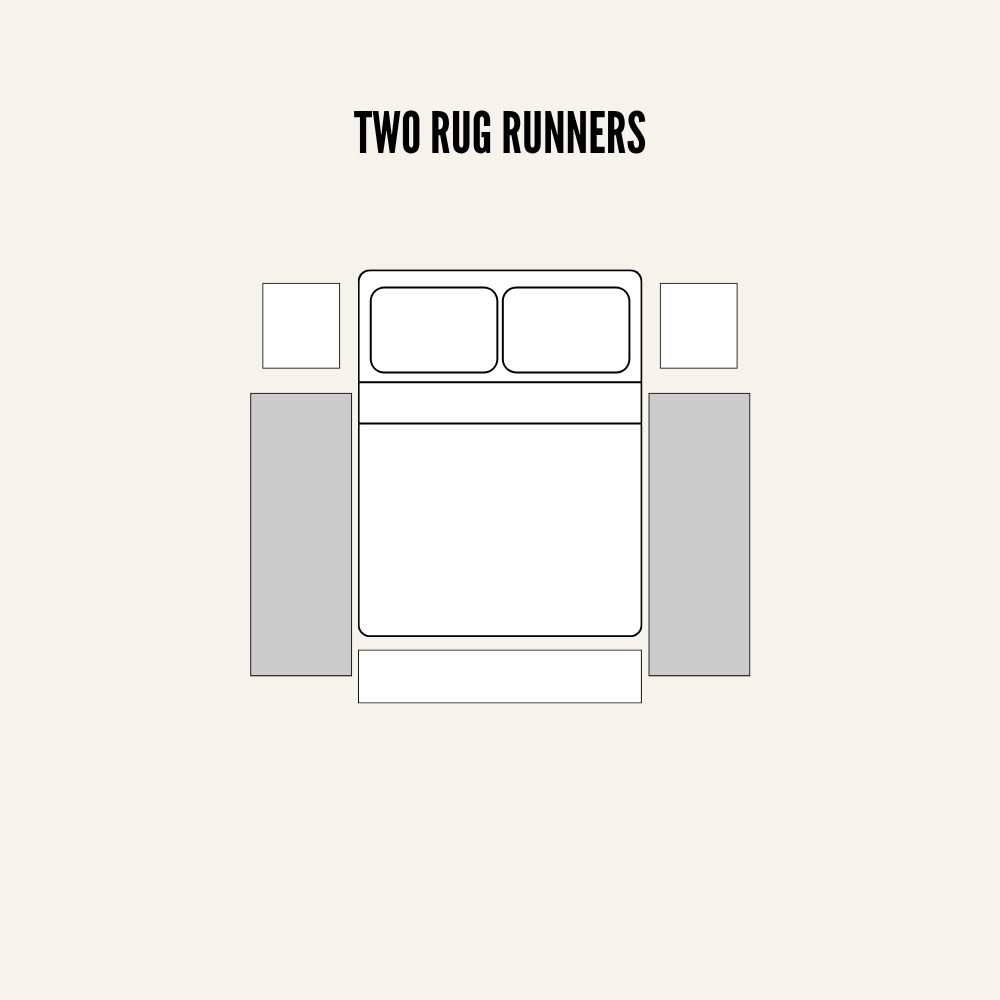
Alternatives
Runners can be used instead of one large rug. Runner should run length of bed and stop just before nightstand and go slightly beyond foot of bed.
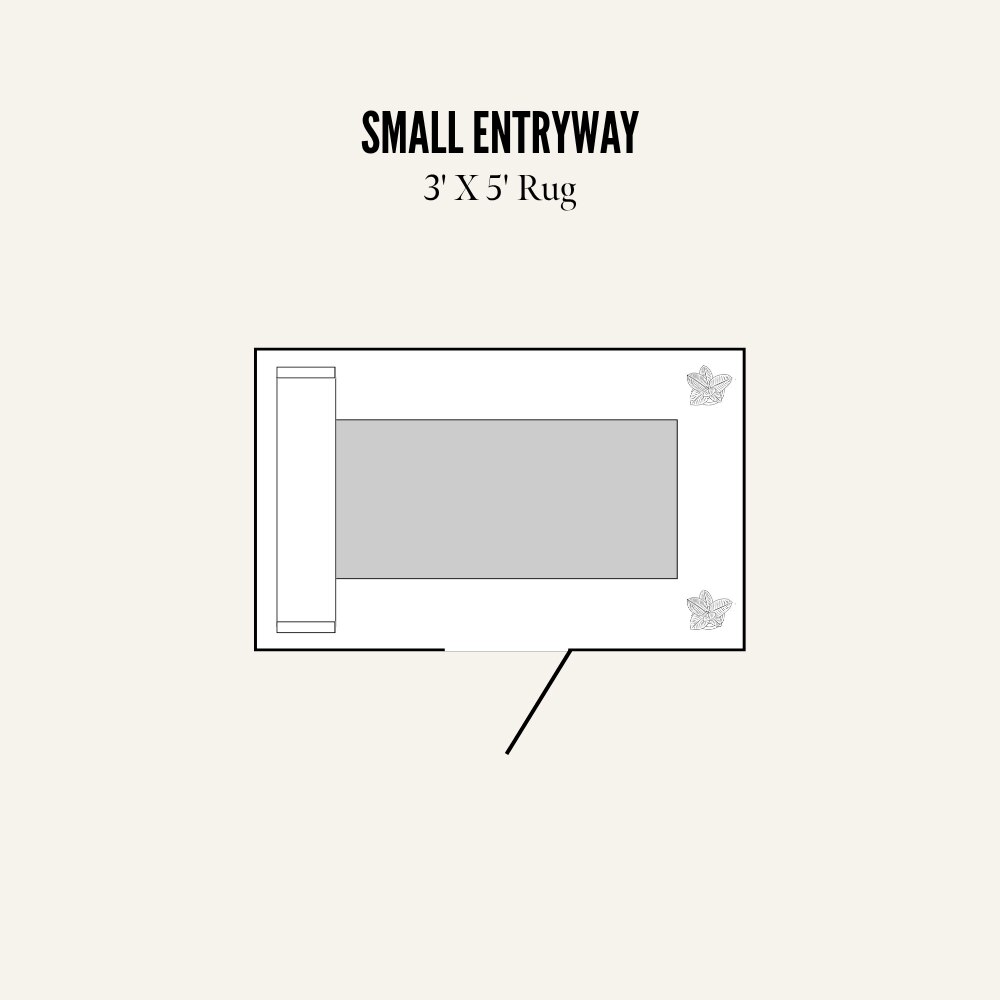
Entryway Rugs

The first impression of your home. Make it a good one.
Durability
With heavy foot traffic, be sure to choose low-pile, durable materials like wool and jute.

Fit
An entryway rug shouldn’t block the door entrance. Leave a few inches of floor showing for definition and balance.

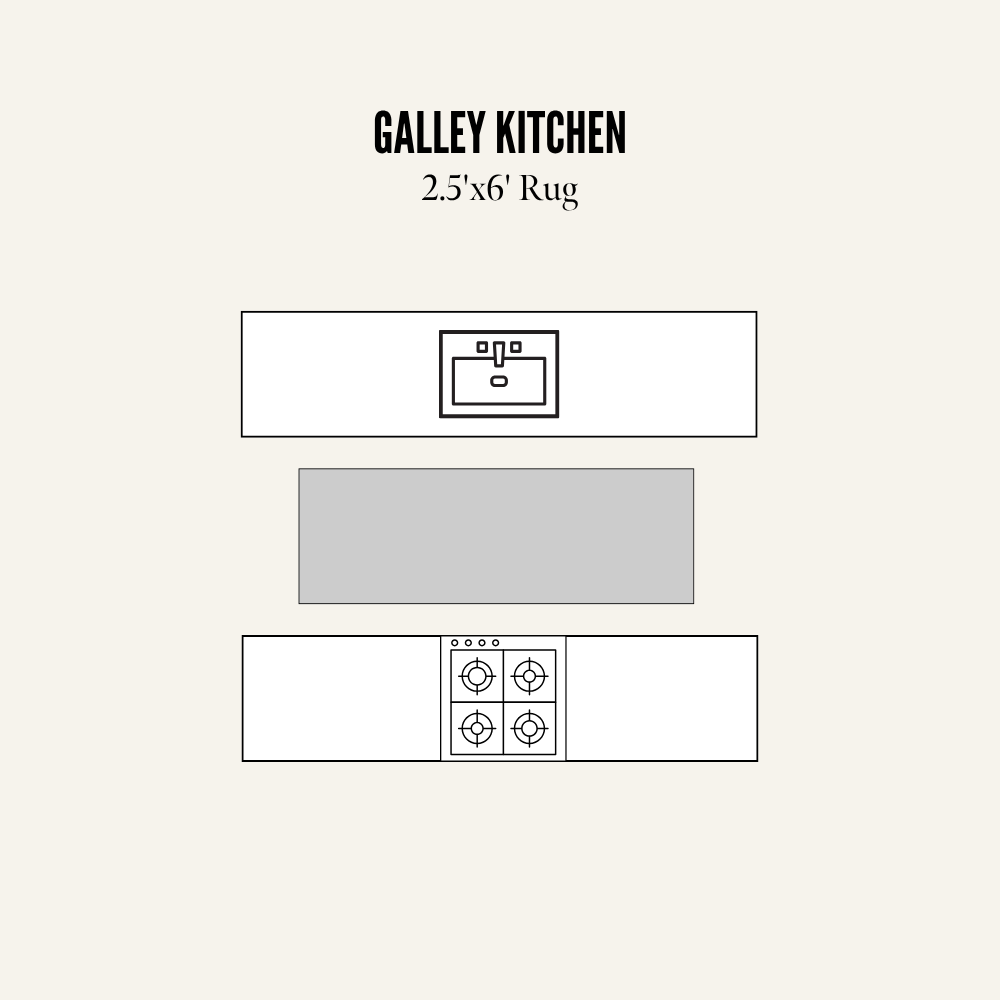
Kitchen Rugs

Cooking doesn't have to be uncomfortable.

Material
Choose durable, low-pile and easy to clean materials like indoor/outdoor blends or washable cotton.

Size
Match the rugs length and width to your main work zones. Long enough to cover the areas where you stand the most.
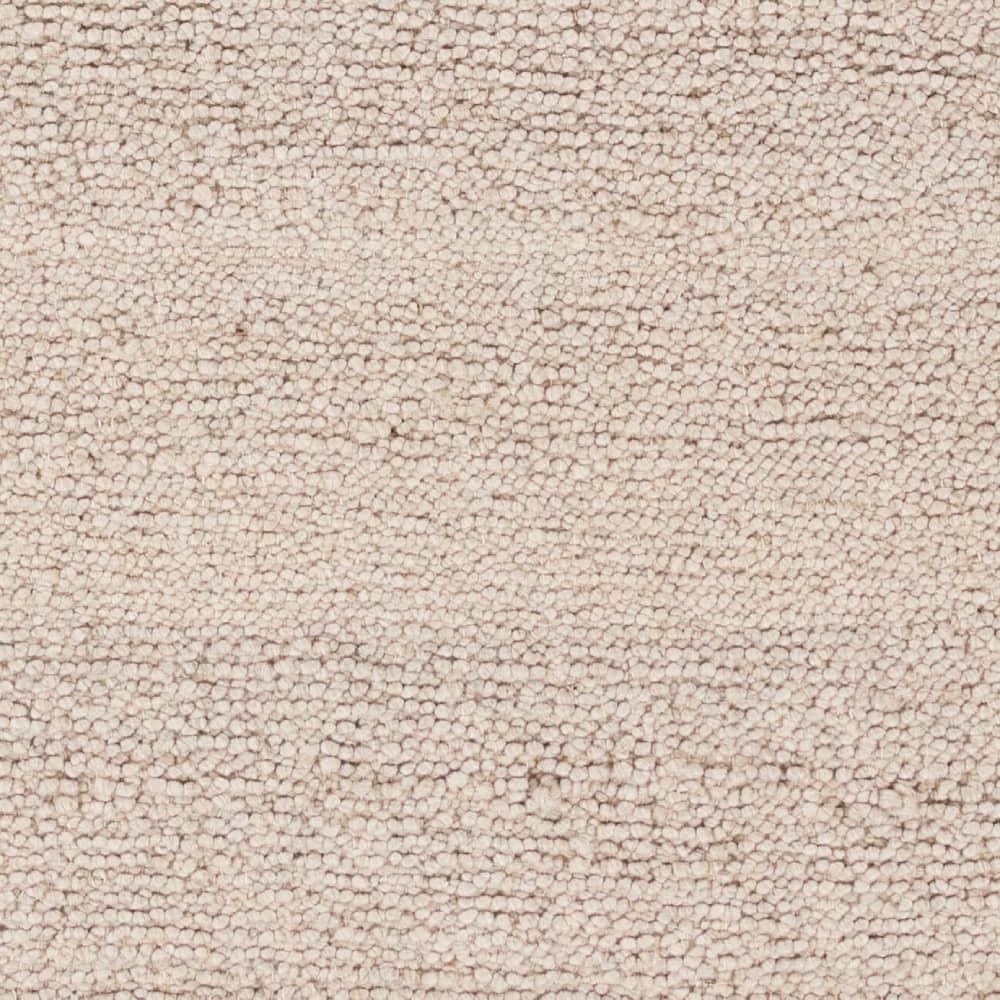
Material

Wool
- Naturally durable, soft, and warm underfoot.
- Resists stains and wear, making it ideal for high-traffic areas.

Jute
- A natural fiber with rich texture and a relaxed, organic look.
- Best in low-traffic spaces as it’s less soft underfoot.

PET Yarn
- Made from recycled plastic bottles.
- Ideal for high-traffic indoor and outdoor areas.
Polypropylene
- A synthetic fiber that’s stain-resistant, durable, and easy to clean.
- Great for busy homes.

Rayon
- Soft with a subtle luster, mimicking the look of silk.
- Best in formal or lightly used rooms where foot traffic is minimal.

Construction
Hand-tufted, handwoven or hand-knotted. How are they made, and what are their benefits?
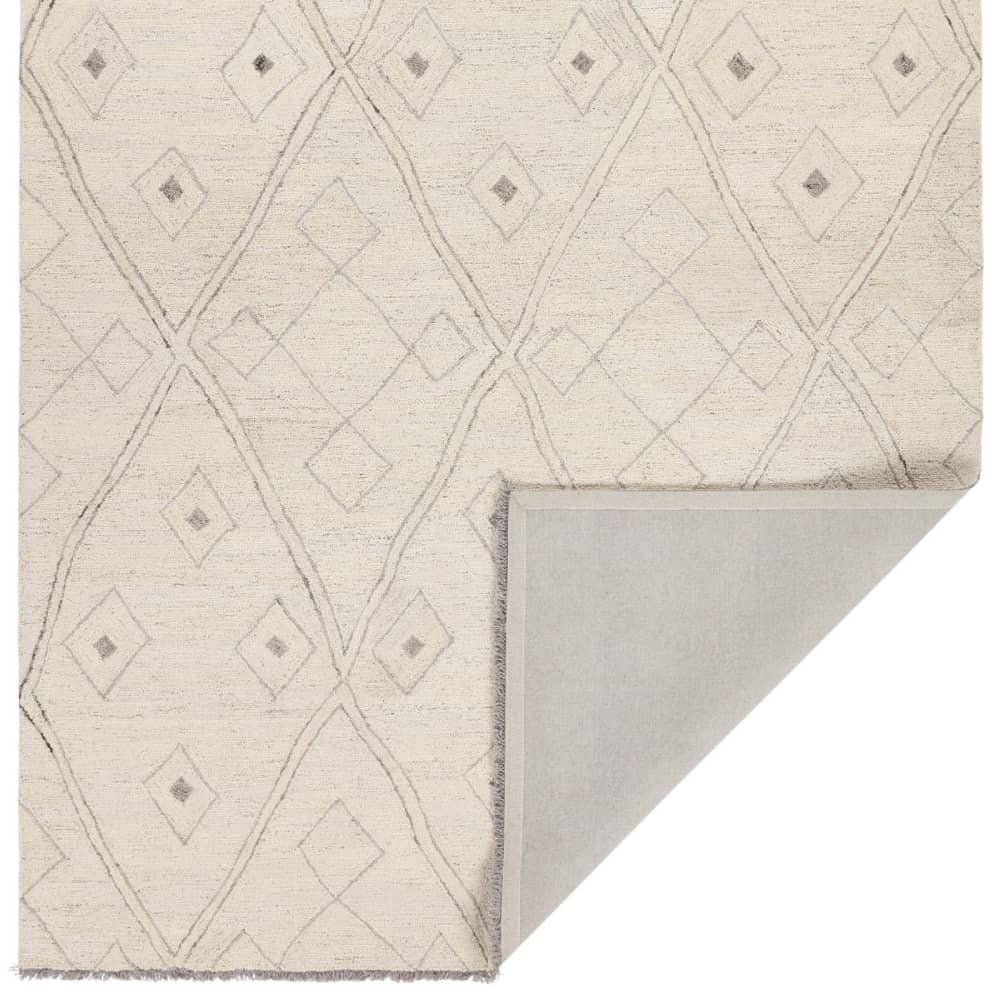
HAND-TUFTED RUGS
How They're Made
Constructed by using a manual tufting instrument to punch yarn through a fabric backing.
Qualities & Benefits
Plush, comfortable, they’re ideal for adding softness and style to low- or medium-traffic areas.
HANDWOVEN RUGS
How They're Made
Woven vertically and horizontally by hand on a loom.
Qualities & Benefits
Lightweight, reversible, and easy to clean, their flat, pile-free design makes them perfect for high-use areas like kitchens, dining rooms, and entryways.

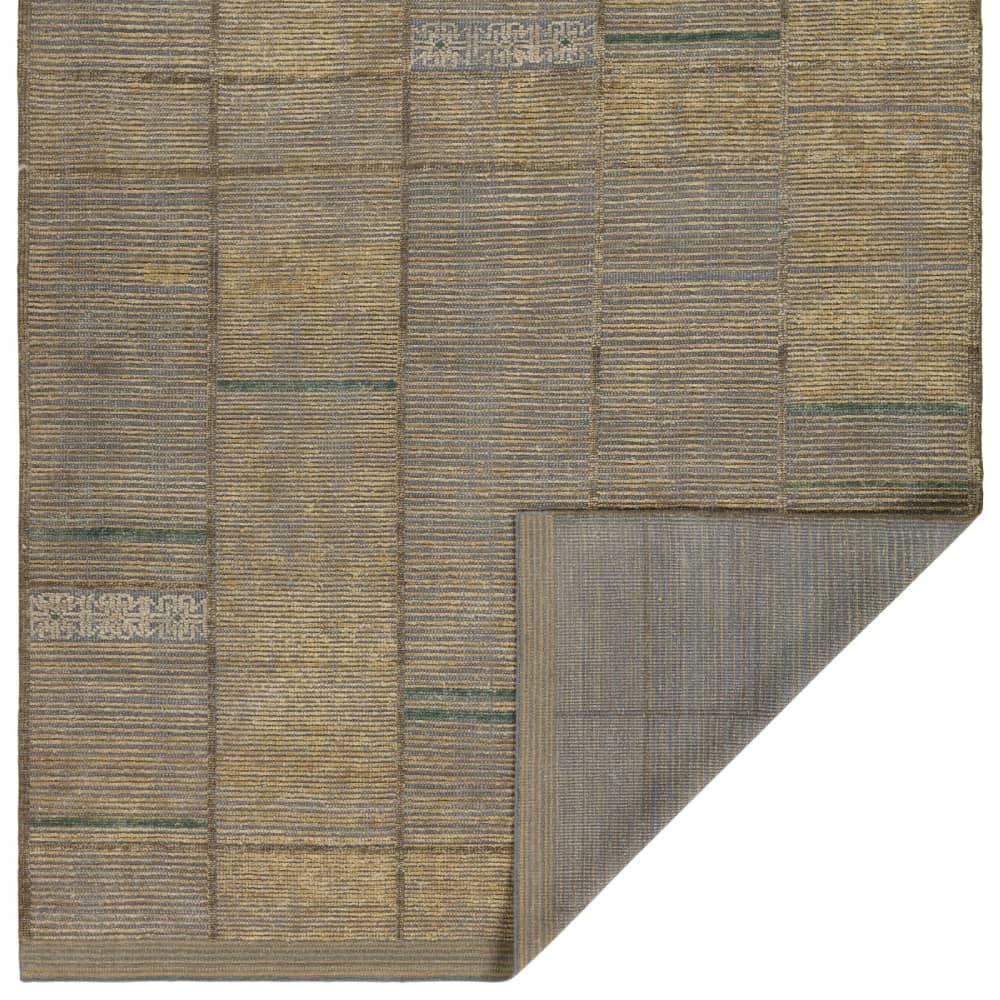
HAND-KNOTTED RUGS
How They're Made
The most traditional and labor-intensive rug type, made by tying individual knots around the warp threads.
Qualities & Benefits
Heirloom-quality pieces known for their intricate detail, rich texture, and exceptional durability. With proper care, they can last for generations and often appreciate in value over time.
Color
Black
- Creates bold contrast.
- Perfect for modern or minimalist.
- Hides dirt, shows lint or light debris.
Brown
- Adds warmth and an organic touch.
- Perfect for rustic, traditional or earthy interiors.
Grey
- Versatile.
- Balances both warm and cool tones.
- Ideal for layering with patterned furniture.
Neutral
- Soft and understated.
- Blends with decor and creates an airy feel.
- Perfectly paired with bold furniture.
Related Articles
How to Make Your Living Room Cozy With Lighting
The key to creating a cozy living room lies in the art of lighting.
A Guide to Different Types of Light Fixtures
Lighting plays a crucial role in setting the ambiance and functionality of your living room. From creating a warm and cozy atmosphere for relaxation to providing ample illumination for activities, choosing the right types of lighting fixtures is essential. In this comprehensive guide, we will explore ten different types of light fixtures-